


| Categories | ASPIRE Member | Non-Member |
|---|---|---|
| HALF Masterclass | USD 450 | USD 550 |
| FULL Masterclass | USD 600 | USD 700 |
The 15th ASPIRE Masterclass on Recurrent Implantation Failure (RIF) – From Mechanisms to Management brings together leading experts for an engaging and practice-focused learning experience in Bangkok. Designed to bridge cutting-edge science with clinical application, this masterclass will explore key aspects of RIF, including embryo, endometrial, and uterine factors, alongside emerging technologies and evidence-based management strategies. Through expert-led sessions, interactive discussions, and hands-on learning, participants will gain practical insights to enhance patient outcomes. Join us for two days of impactful learning, collaboration, and exchange in a vibrant and inspiring setting.
Cancellation and Refund Policy
- To cancel your registration, a written notification should be sent to the ASPIRE Secretariat, Chichi Chen at ccchen@aspire-reproduction.org.
- The bank handling charges will not be refunded; delegates are responsible for any bank charges associated with the refund process.
- All refunds will be made post-closure of the Masterclass.
- The cancellation cut-off date is based on the host location: GMT+8
Refund of the registration fee will be as follow:
- On or Prior to 14 August 2026 - 50% refund of total registration fee
- After 14 August 2026 - no refund of total registration fees
Note: In case of cancellation at any stage, an administration fee of USD 35 will not be refunded
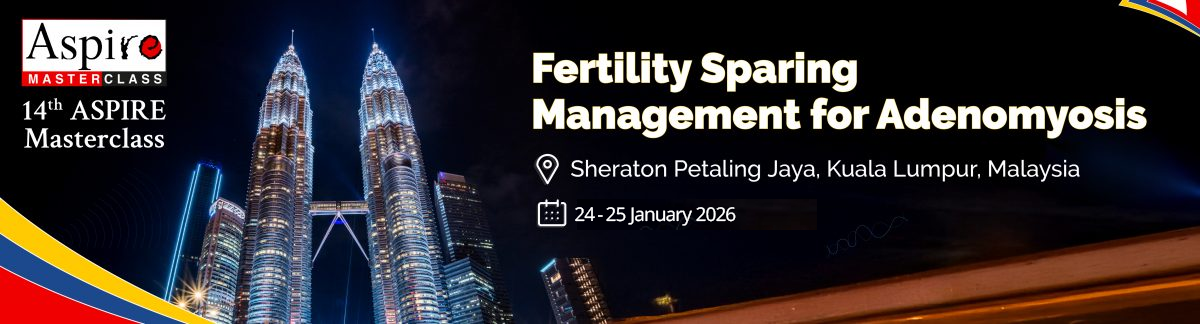
This masterclass focuses on fertility-sparing management of adenomyosis, guiding participants from scientific foundations to practical clinical application through a structured, evidence-based programme. It covers pathophysiology, imaging and classification, patient selection, and fertility considerations, alongside comparative evaluation of ablation and uterine-sparing techniques including microwave ablation, high-intensity focused ultrasound (HIFU), uterine artery embolisation (UAE), and surgical options. Expert-led lectures and panel discussions address indications, outcomes, post-procedural care, and reproductive planning, while an extensive hands-on workshop provides real-time ultrasound-guided demonstrations, robotic adeno-myomectomy exposure, and rotating skill stations in imaging targeting, laparoscopic techniques, and uterine suturing. Designed to encourage multidisciplinary exchange and practical learning, the programme aims to equip clinicians with the knowledge and skills needed to optimise symptom control while preserving fertility potential in women with adenomyosis.
.jpg)
The 13th ASPIRE Masterclass focuses on addressing the challenges at the extremes of ovarian stimulation by emphasising individualised ovulation induction strategies and evidence-based clinical decision-making. It provides a comprehensive overview of contemporary ovarian stimulation protocols, including the management of poor and high responders, through expert-led lectures, case-based discussions, and practical sessions. The programme encourages multidisciplinary dialogue and critical evaluation of current practices, offering insights into optimising patient outcomes and advancing personalised approaches in reproductive medicine.
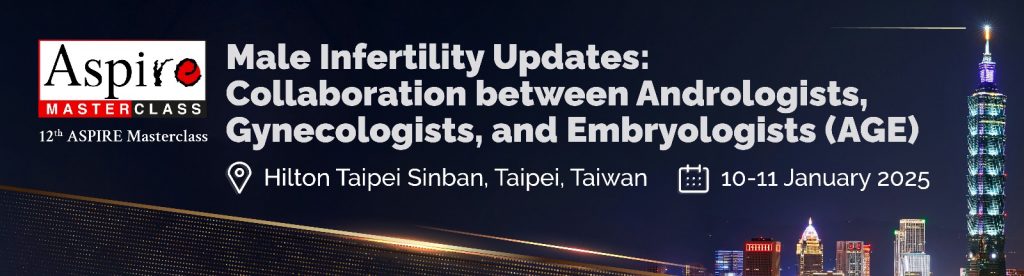
This masterclass focuses on the comprehensive understanding and management of male infertility through close collaboration between Andrologists, Gynecologists, and Embryologists (AGE). It addresses the complexities of male infertility by integrating recent advancements in andrology, including the role of varicocele surgery in implantation failure and recurrent miscarriage within ART. Expert-led sessions and multidisciplinary discussions explore evolving concepts and clinical challenges, highlighting the importance of an AGE-based approach in reproductive medicine. In addition, hands-on training provides practical exposure to spermatogenesis, touch print smear techniques for real-time interpretation, and an overview of diagnostic surgical procedures, supporting informed clinical practice and improved patient outcomes.
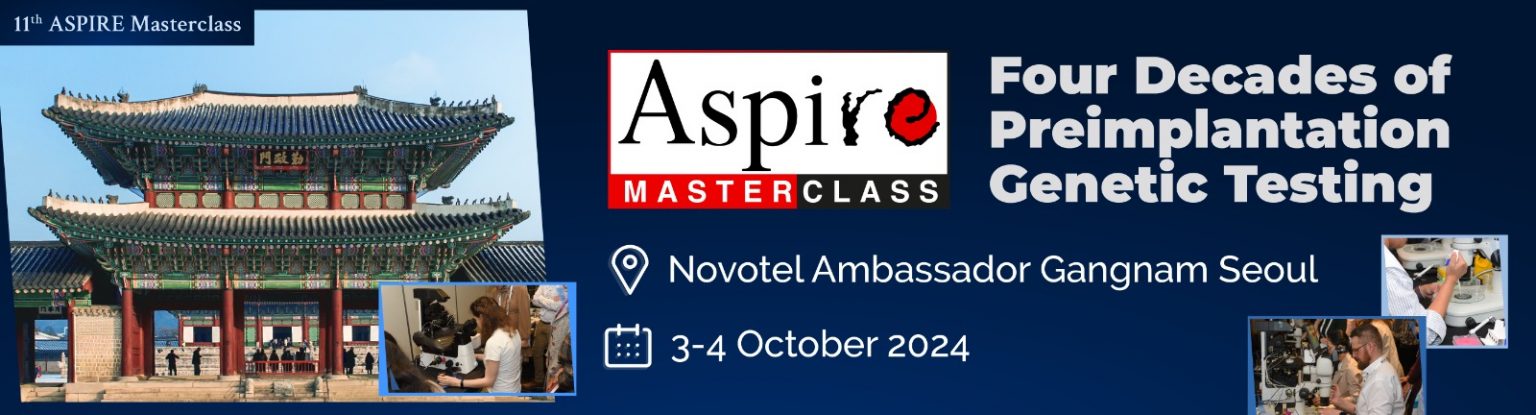
This masterclass focuses on the evolution of PGT methodologies, overcoming challenges like early mosaicism and technological limitations through advancements such as trophectoderm biopsy. It offers a comprehensive understanding of PGT, covering methodologies, applications (including PGT-A, PGT-M, and PGT-SR), and recent advancements. Expert-led sessions and panel discussions delve into controversial topics, providing insights into PGT’s transformative potential. Additionally, hands-on training on biopsy techniques is provided, exploring their advantages and considerations in clinical practice.
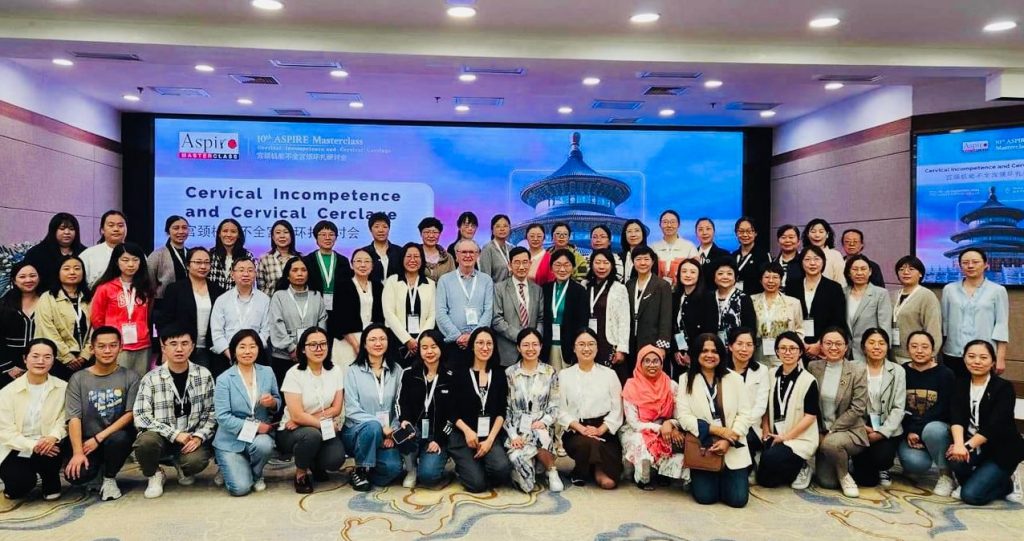
This masterclass covers a comprehensive range of issues on CI, including pathophysiology, epidemiology, risk factors, diagnosis and treatment, surgical techniques, postoperative care and monitoring, possible complications and their prevention, as well as newly updated guidelines. In addition to traditional lectures, there will be live surgery demonstrations and video shows to illustrate different cerclage techniques in detail as well as plenty of opportunities for discussion and exchange of ideas and experience. A particularly challenging area involving transabdominal cerclage in pregnant women after fertility-sparing surgery for early-stage cervical cancer will also be discussed.
The lectures during the masterclass were presented by 4 international and 18 local speakers.
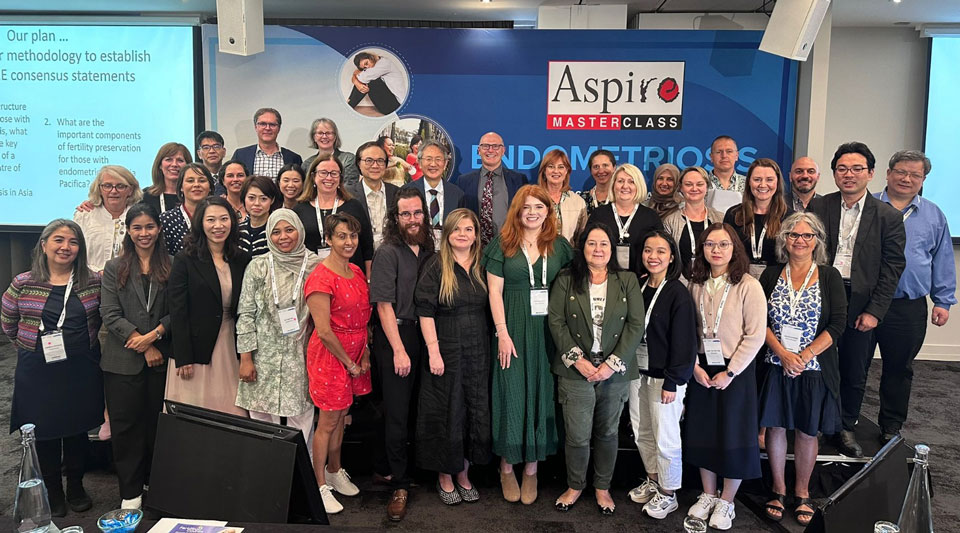
The ASPIRE 9th Masterclass, focusing on the theme “ Endometriosis ”, was a 2-days masterclass held from 23 Feb – 24 Feb 2024. The masterclass explored all the new developments in endometriosis-related fertility issues, from the latest on how endometriosis and adenomyosis can negatively impact fertility right through to up-to-the-minute evidence based fertility treatment for patients suffering from adenomyosis-related and endometriosis-related infertility – how to customise and optimise treatment for your patients in a precision medicine approach to endometriosis-related infertility. It also explored and developed a consensus on the structure of care in endometriosis, focusing on networks of expertise and centres of excellence, as well as a consensus on fertility preservation for endometriosis sufferers – and this is a unique opportunity for attendees to be involved in such a consensus process.
The lectures during the masterclass was presented by 7 international and 14 local speakers.
The ASPIRE 8th Masterclass, focusing on the theme “Ovarian Stimulation & Poor Responders”, was a 2-days masterclass held from 31 Jan – 1 Feb 2020. The lectures in the masterclass covered presentations that discussed many recent novel reports about improving ovarian stimulation and how to select the most suitable method for each situation. In addition to that, special presentations, such as cutting-edge technologies to overcome poor-responder cases, which until now, had been regarded as impossible to be treated successfully, were included in the programme. Many alternative treatments, which includes iPS cells, in vitro activation (IVA), cytoplasmic exchange and mitochondrial rejuvenation and other methods have been discussed in the masterclass as well.
The lectures during the masterclass was presented by 6 international and 13 local speakers. At a total of 19 speakers, the 8th Masterclass holds the record having the greatest number of faculty members to have presented in the ASPIRE Masterclass. The faculty was carefully selected by the ASPIRE 8th Masterclass organizing chairperson, Professor Atsushi Tanaka, and the ASPIRE Education Committee.
The ASPIRE 8th Masterclass has been ASPIRE’s most successful masterclass till date. With a final count of 126 delegates that have registered, this masterclass is proud to hold another record – the highest attendance rate out of all ASPIRE Masterclasses by far.
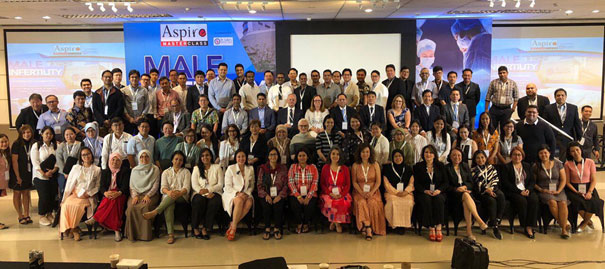
Traditionally, infertility management in Asia has been directed towards females. While treatment providers understand that male factors account for over 50% of infertility issues among couples, male infertility issues are still left very unexplored and discussed. Therefore, ASPIRE decided to bring back the topic of Male Infertility, 4 years since our 1st masterclass on Male Infertility, to encourage professionals and experts in the field to share their knowledge. ASPIRE 6th Masterclass on Male Infertility is aimed at all sectors providing for its care: urologists, gynaecologists, fertility specialists, and embryologists.
The ASPIRE 6th Masterclass was a 2-days programme divided into workshops and lectures; all focusing on the theme “Male Infertility”. The Clinical Workshops involved video reviews and live surgeries where participating clinicians can directly interact with the expert surgeons. The Laboratory Workshop embraced hands-on session specifically designed for embryologists who wishes to learn more about the latest innovations in the field. The lectures consisted of a comprehensive coverage on male infertility issues, from initial diagnosis, to medical/surgical treatment, and laboratory tests/ treatment to Assisted Reproductive Technology.
Overall, ASPIRE 6th Masterclass was a huge success. We saw participants from Australia, Bangladesh, India, Indonesia, Korea, Malaysia, Philippines, Singapore, Taiwan, Thailand, UAE and Vietnam. At 98 delegates, ASPIRE 6th Masterclass concluded with the highest attendance rate out of all ASPIRE Masterclasses by far.
There is an enormous variability on how IVM is defined and practiced worldwide. This variation is reflected in the types of patients recruited, the pre-treatment medication used, and the methods implemented in the embryology laboratory. While IVM is still considered a research technique for niche indications in Europe and the USA, there are important promoter centers in Vietnam, Australia, Belgium, Canada, Korea, Japan, etc. where significant expertise has been acquired over the years. Many of our colleagues are not aware of the advances in immature oocyte biology and on the potential of IVM as a patient-friendly technique in ART. The culture improvements over the last few years have positively impacted the expectations of IVM as a safer technology than classical IVF in patients with an increased antral follicle count and AMH.
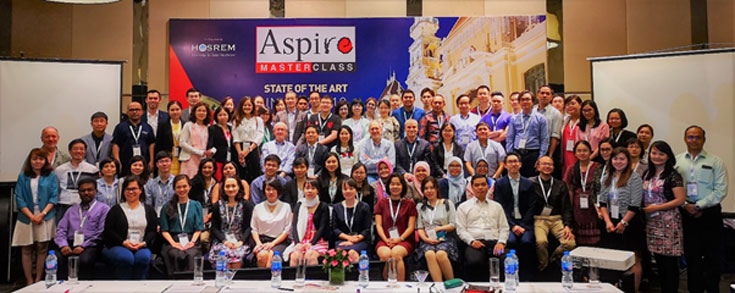
The 5th Aspire Masterclass was a 3-days programme that focused on the theme “State of the Art in IVM 2018”. In these 3 days, we saw 84 participants and 6 experts from various countries (Australia, Belgium, China, Hong Kong, Indonesia, India, Japan, South Korea, Malaysia, Nepal, Philippines, Singapore, Taiwan, Thailand, The Netherlands, USA and Vietnam) coming together to share their expertise, to discuss and dig deeper into the practice of IVM.
16 participants even had the chance to learn from live demonstrations of oocyte pick-ups and handling immature oocytes and practice lab preparations for IVM.
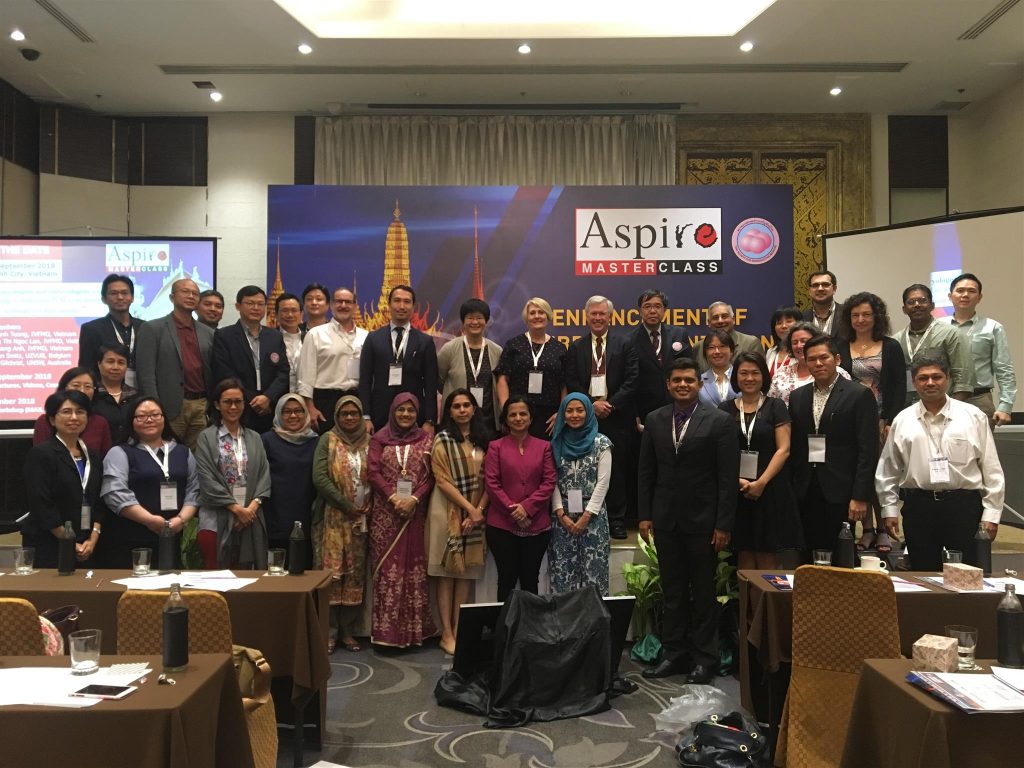
Implantation remains the biggest hurdle to pregnancy in ART cycles and is the most difficult aspect of pregnancy to assess and treat. Furthermore, miscarriage after fertility treatment is devastating for couples who require additional support and care. Clinicians have to navigate the myriad of novel and uncertain diagnostic tests and therapies requested by patients who are desperately struggling to achieve an ongoing pregnancy.
The 4th Aspire Masterclass was a 2-days programme that focused on the theme “Enhancement of Embryo Implantation”. The scientific programme was packed with informative lectures and interaction opportunities such as difficult case discussion.
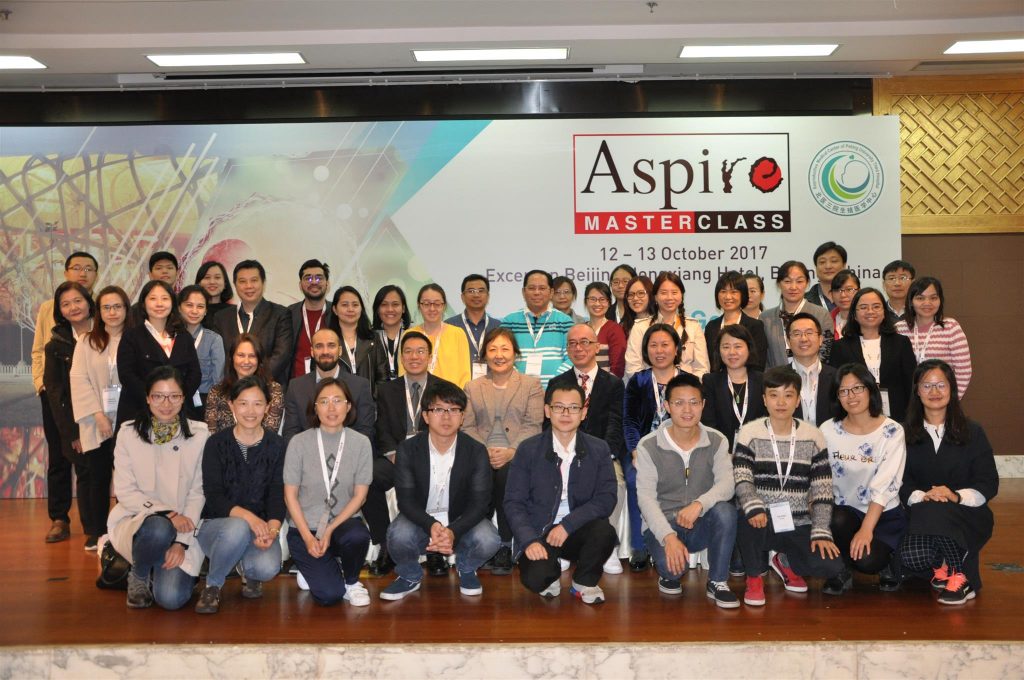
Preimplantation Genetic Screening (PGS) and Preimplantation Genetic Diagnosis (PGD) are increasing requested by couples who are undergoing infertility treatments. Knowledge of PGS and PGD is therefore integral to contemporary fertility care.
The 3rd Aspire Masterclass offered an opportunity for practitioners to keep abreast of the latest developments and technologies in the area of PGD/PGT. The Masterclass programme is structured around a hands-on training workshop, scientific lectures and case discussions.
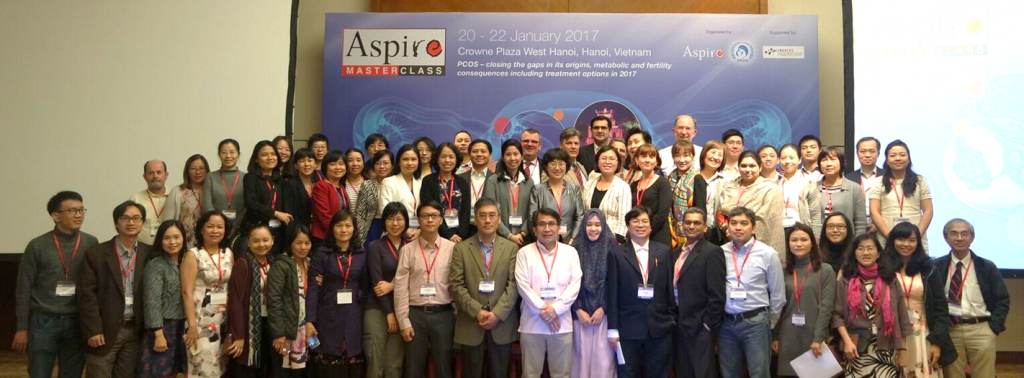
ASPIRE has strived to raise awareness and understanding of treatment options for infertility amongst healthcare professionals as well as to develop and advance fertility services in the Asia-Pacific region.
To fulfil its mission, ASPIRE, is developing ASPIRE Masterclasses in Asia-Pacific. Our first edition, which was focused on Andrology was successfully concluded on 8 November 2015 with 36 participants and 5 Faculty members!